Huggard : Operation Donation
What are the main aims of the enterprise and who was involved in creating it?
Operation Donation was an enterprise created by Cardiff Volunteering and students from the Enactus Society at Cardiff University.
In creating this enterprise project, they had the following aims:
- To help the Huggard Centre (a local Homelessness Charity) manage their donation process
- To generate an income stream for Huggard through the establishment of a social enterprise that would sell excess / inappropriate / high end donations that the centre receives, which would then create a budget for activities and training from which service users could benefit.
- To engage and up-skill service users at the centre through the provision of training thus making the enterprise sustainable in the long-term as it will be run by Huggard’s clients
How does the enterprise ensure that its services have responded to the needs of those using the service?
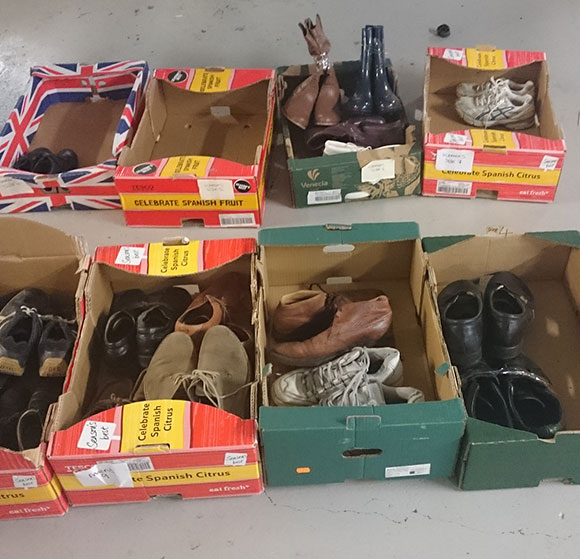
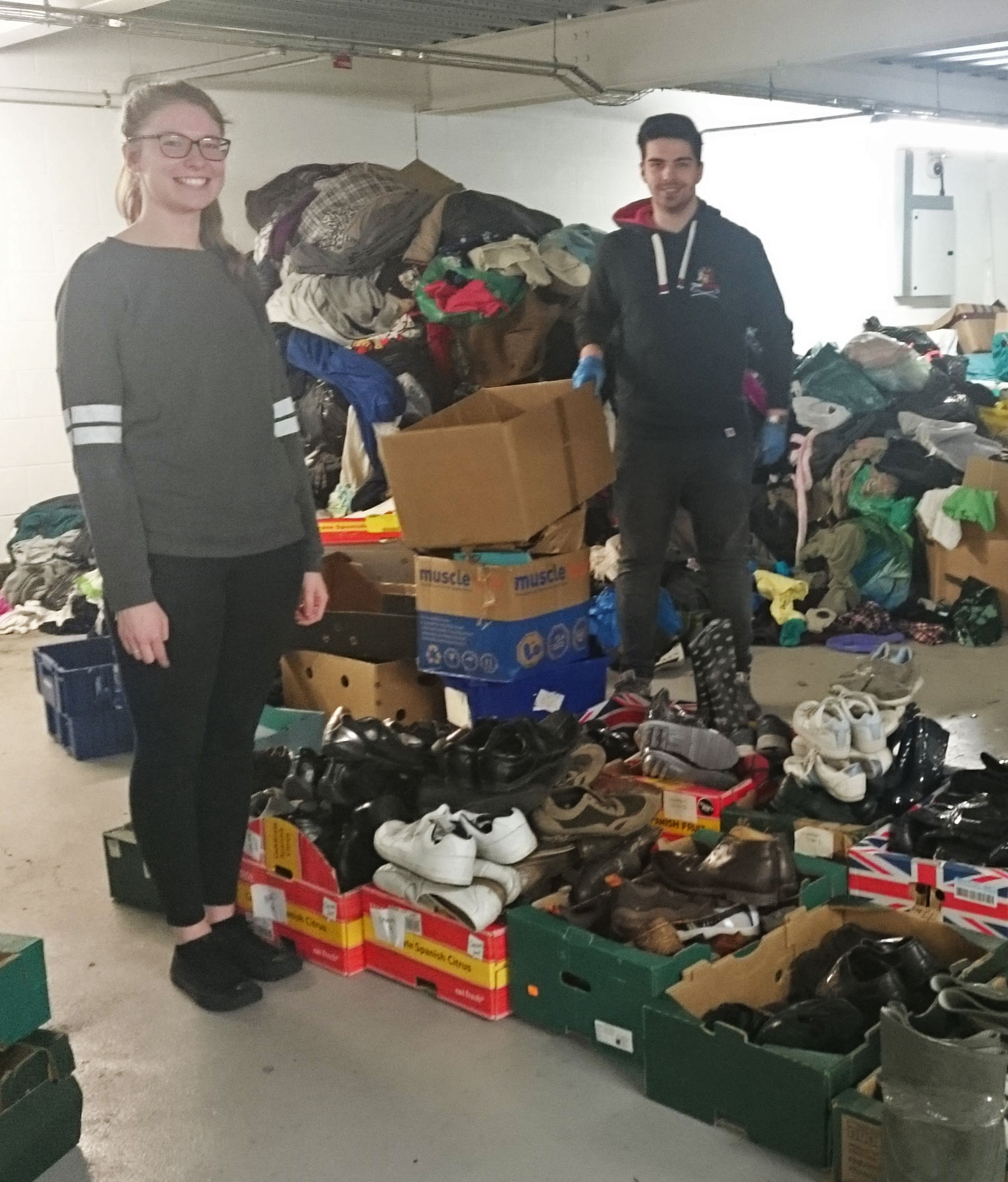
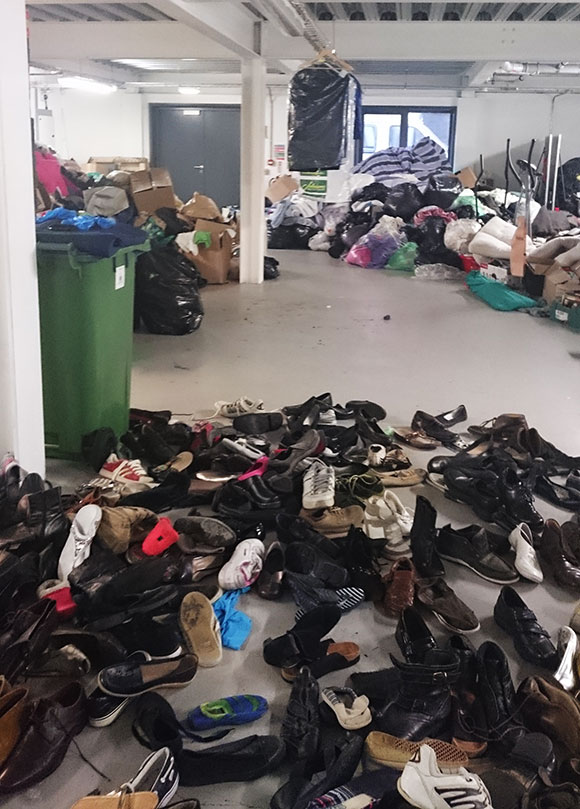
Huggard staff contacted Cardiff Volunteering requesting help with sorting a large backlog of donations. At the same time, Cardiff Volunteering were approached by the Enactus Society to assist them with the development of their social ‘arm’ of operation. The two development areas appeared to be intrinsically linked and Cardiff Volunteering brokered a meeting between Enactus Students and Huggard staff. Regular meetings were held with key staff at Huggard to establish the problems they were experiencing with excessive donations, lack of storage and disengaged service users. Students then met with service users to find out what kind of activities and training sessions they would like to have delivered at the centre if there was a budget to do so.
Enactus students devised a project, 'Operation Donation', which proposed setting up a social enterprise to take the excess donations. These donations would be sold though a variety of channels such as eBay, in pop-up shops, and at car boot sales) in order to generate an income stream. Service users pointed out that in addition to clothing donations, a lot of second hand furniture is also donated but often in need of repair. The service users suggested that they would like to have the skills to repair / refurbish these items so that they could make full use of them when setting up their own homes beyond life at the shelter. Part of the project therefore utilises monies raised through the social enterprise to pay for tutors to teach service users carpentry / upholstery etc.
The service users each have a Personal Development Plan that they create with their Key Workers. This allows them to set their own individual goals for training, development and life skills. This enterprise project directly responds to the aims identified in the service user’s Development Plan by providing them with life skills and employability skills to assist them in the future.
How does the enterprise show innovation and the ability to ‘make things happen’ by overcoming challenges?
Engagement levels of service users are traditionally very low due to the chaotic nature of their lifestyles and their potential mistrust of ‘strangers’. The students have addressed this by engaging with service users in fun, social ways at the centre to gain their trust and respect (e.g. quizzes and bingo) and only then talking to them about the project proposal. They have broken down the traditional ‘us’ and ‘them’ barriers by joining forces with service users on the delivery of the project – providing project t-shirts for both students and service users so that everyone feels an equal part of a team.
Long-term sustainability of any such project is always a challenge but this has been addressed and overcome in a number of ways.
- The provision of informal on-site training of service users themselves in basic skills, listing and pricing of items, photography, and budgeting to ensure that not only are service users gaining on-going life skills but that they will be able to continue with the project during times when students cannot be present.
- Use of income generated providing formal training in carpentry / upholstery etc which will enable the enterprise to branch out in the future and also up-cycle furniture as well as sell clothes.
- The students have already devised an additional selling arm for the enterprise in addition to the original eBay site. In partnership with the Students' Union and the Enterprise Department of the University they have negotiated the use of space in the Students' Union building to establish a pop-up shop to sell vintage style clothing items to students. This will not only generate additional income but also act as a valuable advertising space for both the Huggard Charity and the Enactus Society. This will promote both the project and the society gaining it valuable new members to assist in the long-term sustainability of the project.
What steps have been taken to establish a project as a sustainable enterprise?
The training and up-skilling of service users themselves will enable them to take ownership of the project and participate fully. This allows the project to continue during periods of the year when students are unavailable.
The proposed establishment of an in-house selling outlet at the Students' Union itself will act as a great promotional tool. It will provide a key driver for additional student sign-up’s to the Enactus Society meaning they will be able to continue to support the enterprise year on year.
Find out more
Cardiff Volunteering
Huggard: Helping the Homeless
Enactus